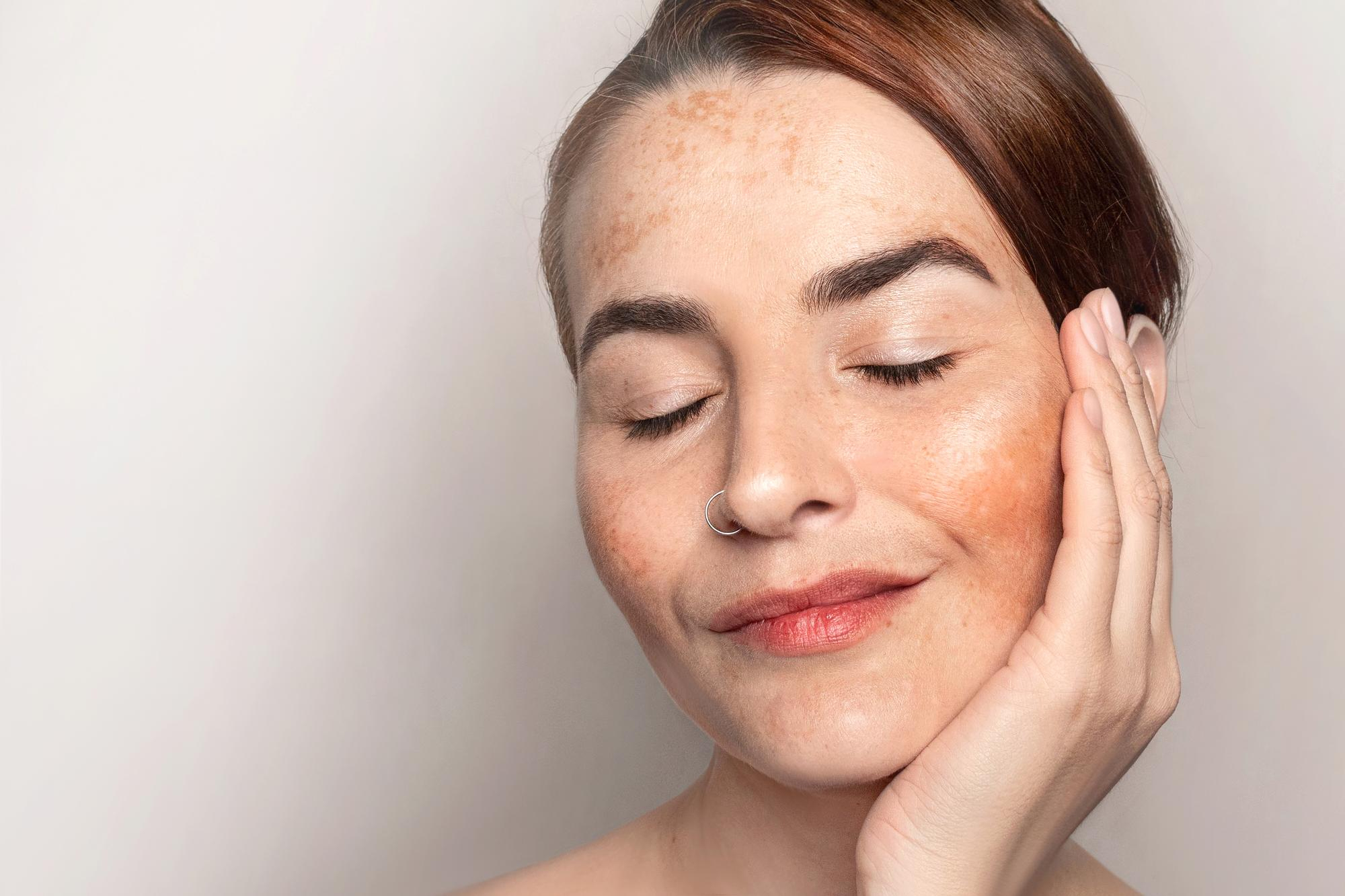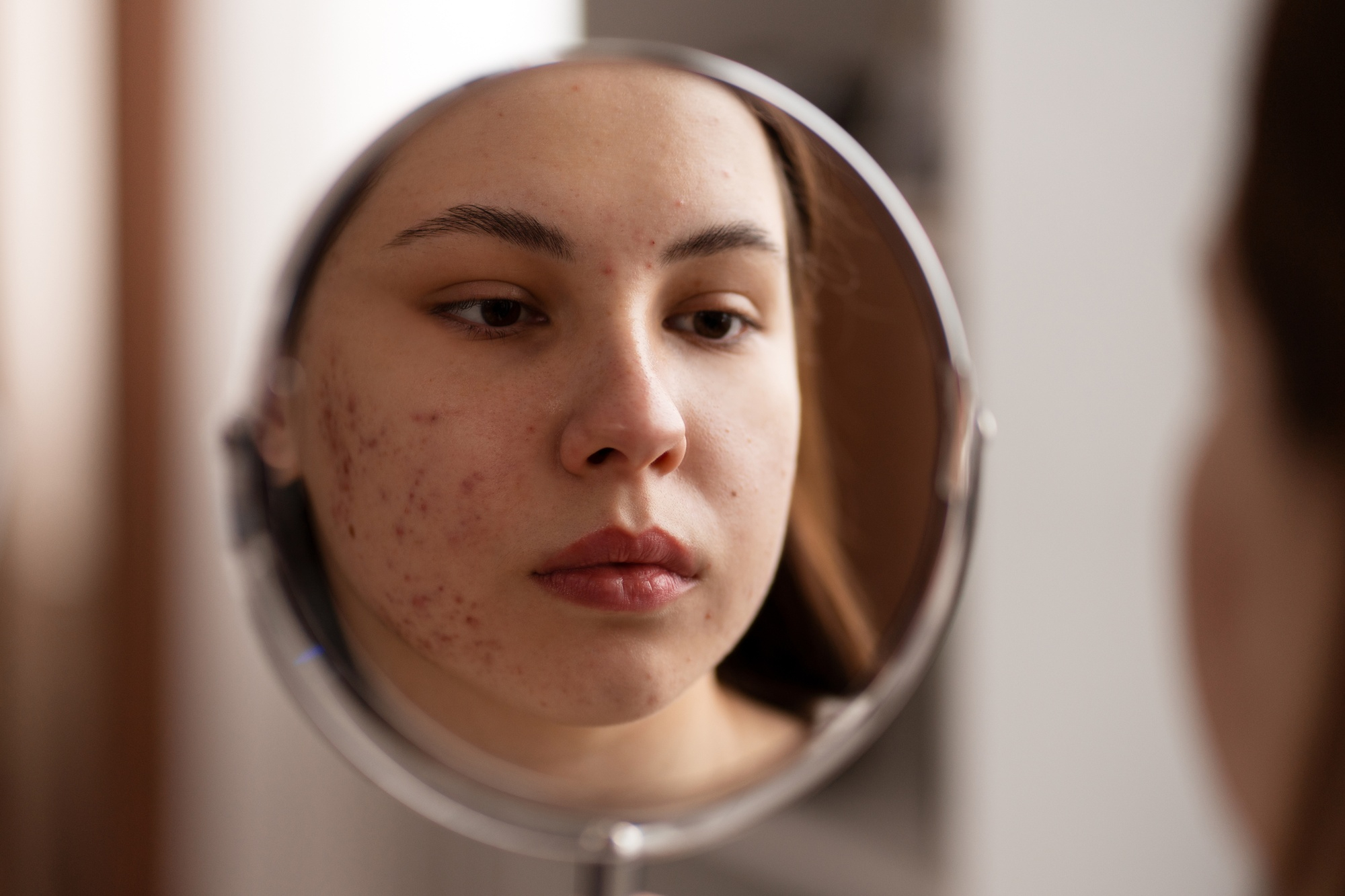
Ah, April. The sun is out, the birds are singing, the snow is (almost) gone. Spring is in the air, Hatters!
It’s also a time for raising awareness around rosacea.
That’s right, it’s Rosacea Awareness Month! Designated by the National Rosacea Society every year, April is the time we work toward eliminating stigma and educating as many folks as we can about this common and complicated skin condition. After all, helping you love your skin is something we hold dear at New Light Laser!
If you don’t know what rosacea is, or aren’t sure if you have it, you’ve come to the right place. In today’s blog, we’re going to talk all about rosacea: what it is, how we can treat it together, and why it’s absolutely nothing to be embarrassed about.
Let’s dive in!
Okay, but What Is Rosacea?
This bit’s for the newbies.
If you’re here because you think you might have rosacea—hi, welcome! Know that you are absolutely not alone here. We’re going to help you understand your condition, and hopefully, learn to be comfy in your skin.
If you’re just a curious cat who wants to know more about rosacea (maybe you have a partner, friend, or family member who’s got it), well aren’t you just adorable! That’s what April is all about, and by the end of this blog, hopefully you’ll understand this condition a lot better.
First of all, more than 3 million Canadians and 415 million people globally are affected by this chronic skin condition, characterized most commonly by redness or blushing. That’s a lot of people, so if you’ve got rosacea or think you do, you’re in good company.
Rosacea is what we call a chronic condition, which means long-term. Typically, it starts to present between ages 30 and 50. Most frequently, it affects the face, and while it’s not dangerous or contagious, it can be quite uncomfortable.
Aaaaaand What Causes Rosacea?
Unfortunately, we still don’t know what exactly causes rosacea. Experts believe it’s caused by both genetic and environmental factors, and there is some evidence that a hyperactive immune system may play a role as well. And while it can’t be cured, it can absolutely be treated and managed.
The key is gentle, supportive skin care, and we’re going to help you do just that!
Common Symptoms of Rosacea
If you or a loved one have any of these symptoms, it might be prudent to consult a dermatologist as soon as possible. It’s always better to start treatment as early as possible.
- Flushing of the cheeks, nose, chin, or forehead.
- Persistent redness in the face.
- Warm, burning, stinging, or itching skin (it will also be quite sensitive).
- Bumps or rough patches (kind of like pimples, but without the whiteheads).
- Swelling or thickening skin.
- Dry skin.
At New Light Laser, our expertly-trained staff are more than capable of helping you with a diagnosis!
Common Rosacea Triggers to Watch For
A lot of everyday things can trigger rosacea flare-ups. Of course, it’s important to remember that these things don’t cause rosacea, but they can worsen the symptoms.
So, what are some common rosacea triggers to avoid?
Sunshine and Heat
Maybe this one isn’t a surprise, but yes, exposure to UV light does tend to make rosacea worse. Sunblock is a must; we recommend a good SPF moisturizer. A stylish hat might be in your future, too. And of course, avoiding the sun during peak times is always a solid plan.
Food and Drink
Many rosacea sufferers report that spicy or hot foods can cause flare-ups. Alcohol, too, and caffeinated beverages (sorry, babe). If you notice flare-ups after eating or drinking anything, make sure to take note.
Stress
This one might be obvious too, but stress is one of the most common rosacea triggers. If you notice this happening to you, we recommend finding ways to reduce your stress. Get enough sleep, do some deep breathing and stretches, a bit of light yoga, make sure you’re eating healthy.
Cosmetics and Medication
Makeup or other cosmetic products that contain fragrances, alcohol, or exfoliating ingredients can absolutely aggravate rosacea. Remember that your skin is extremely sensitive! Similarly, prolonged use of prescription-strength cortisone creams on your face can cause flare-ups, as well as certain blood pressure medications. If you notice flare-ups from the use of prescription medication, please consult your doctor ASAP!
Remember that not everyone is affected by the same things in the same way. It’s important to keep track of what causes your flare-ups, so we can better understand how to help you treat it.
Why Learning About Rosacea Matters
I’m sure you can understand how rosacea can make folks feel self conscious or embarrassed. And to make matters worse, there are a lot of misconceptions about rosacea that lead to awful stigma. There are those who believe it’s the result of alcohol abuse or poor hygiene, but this is simply not true.
A heartbreaking number of rosacea patients (as many as three quarters) have reported low self-esteem because of their condition. Many have also reported that rosacea has hurt their career opportunities.
For anyone still wondering why we have Rosacea Awareness Month—well, this is it.
It’s so, so important to get a diagnosis and start treatment as early as possible. Leaving rosacea untreated can worsen symptoms over time, but treating it can lead to a huge boost in confidence and well-being, both mental and emotional. And we’re all about that here!
Treating and Managing Rosacea
As we said earlier, gentle care is key here. When your skin is flaring, comfort should always come first. Always make sure to consult your doctor or our expertly-trained staff to make sure your skin care routine isn’t doing more harm than good. Together, we can help you build mindful habits!
- Use fragrance-free, soothing skin care products.
- Avoid harsh scrubs or strong exfoliants.
- Wear. Sunscreen. Every. Day.
- Use gentle moisturizers to keep your skin hydrated.
- Wash your face with lukewarm water instead of hot.
- Use prescription creams or medications as directed by your dermatologist.
Professional Rosacea Support at New Light Laser & Aesthetics
Of course, at-home treatments don’t always work for everyone, or may not get you quite where you want to be. Worry not, because there are professional rosacea treatments we can do here at New Light Laser that can improve your symptoms. Our Elite iQ® laser can target troublesome blood vessels to reduce redness, regardless of your skin type. Some of our rosacea patients have reported improvements after just one or two quick, painless sessions.
During your initial consult, we’ll take the time to understand your skin, your worries, and your personal comfort level. Together, we’ll figure out the best plan to suit your unique needs and skin care goals. We want you to feel your best, so our focus is always on treatments that work with your skin, never against it.
A Calm, Supportive Path Forward
If rosacea has been holding you or a loved one back from feeling confident and comfortable, we’re here to help. Come for your first consultation in a 100% judgment-free environment, where you can feel safe opening up about your skin.
You deserve skin care that feels calm, professional, and reassuring. This doesn’t have to be scary, and you don’t have to live with it. Pinky promise.