Understanding What Your Skin May Be Showing You and How to Care for It with Confidence
Dark spots and uneven tone are common, but they do not all behave the same way. The first step is not choosing a treatment. It is understanding what may be causing the colour change and what your skin needs.
First, What Does "Pigmentation" Mean?
Pigmentation refers to the colour in our skin. Melanin is the pigment that helps create that colour. When the skin produces or holds onto more melanin in certain areas, we may notice spots, patches, or an uneven tone. This is often called hyperpigmentation.
Melasma, sunspots, and post-inflammatory hyperpigmentation all sit under that larger umbrella. They can look similar, but their patterns and triggers are different, which is why an accurate assessment matters.
The Differences at a Glance
Melasma: A Pattern That Tends to Be Reactive
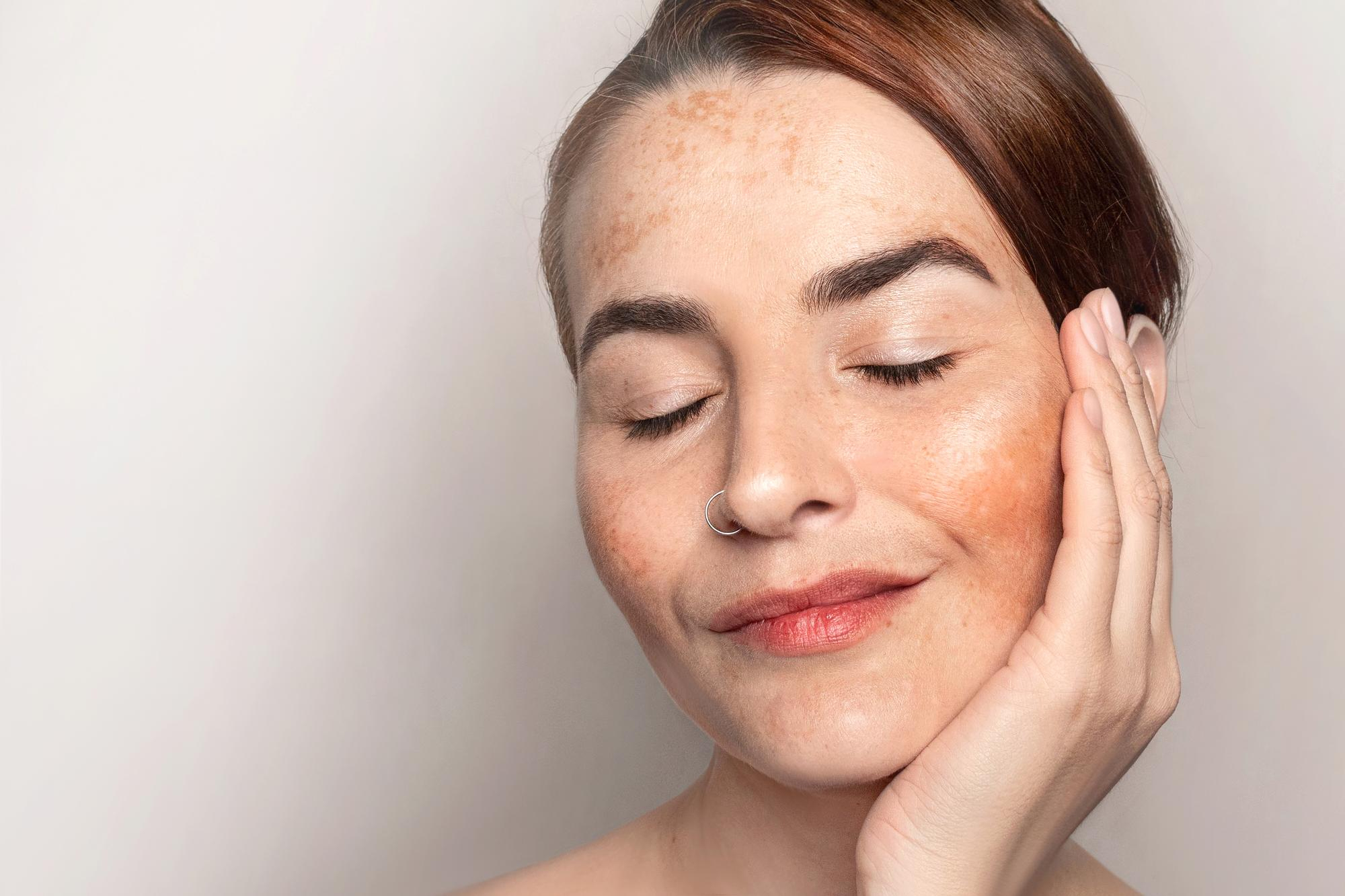
Melasma usually appears as flat patches of darker colour, most often on the cheeks, forehead, upper lip, nose, or chin. It commonly develops in a fairly symmetrical pattern, although every face is different.
Melasma is influenced by more than UV exposure alone. Hormonal changes, including pregnancy and some hormonal medications, can play a role. Sunlight and visible light can deepen the colour, and irritation may make pigment more noticeable. Some people also find that heat seems to aggravate their melasma, although the evidence is stronger for light exposure and hormonal influences.
It can help to picture melasma as a pigment factory inside the skin. In calm conditions, the factory may work at a slower pace. Triggers such as sunlight, visible light, hormonal changes, heat, and irritation can send the message to turn production up to full power. Even after the surface pigment begins to fade, that factory can remain quick to restart when it receives the same signals.
Because melasma can return or deepen when triggers are present, it is best thought of as a condition we manage over time rather than something we permanently erase. The goal is calmer, more even-looking skin and a routine that feels realistic to maintain.
Sunspots: The Story of Accumulated Sun Exposure
Sunspots are also called age spots or solar lentigines. They are typically flat, well-defined spots that appear on areas that have received years of sun exposure, such as the face, chest, shoulders, arms, and backs of the hands.
They usually appear as individual spots rather than broad, symmetrical patches. Although they are generally harmless, not every brown spot is a sunspot. A healthcare professional should assess any spot that is new, changing, rough, bleeding, itchy, or noticeably different from the others.
Post-Inflammatory Hyperpigmentation: Colour Left After Healing
Post-inflammatory hyperpigmentation, often shortened to PIH, can develop after inflammation or injury. Acne, eczema, ingrown hairs, picking, burns, and irritating skin care can all leave a darker mark in the exact area where the skin was healing.
PIH can happen in any skin tone, but it tends to be more common and may last longer in deeper skin tones. These marks often fade gradually, but continued inflammation, sun exposure, or irritation can slow that process.
Why Identifying the Pattern Matters
Treating every brown spot the same way can lead to disappointment and, in some cases, more irritation or pigment. Before recommending a plan, we look at:
- The pattern of pigmentation
- Your skin tone and sensitivity
- When the changes began
- Possible triggers
- Medications
- Previous treatments
- What feels manageable in your day-to-day life
At New Light, our role is to help you understand your skin and make thoughtful choices. Sometimes that means beginning with a simple home-care routine and sun protection. Sometimes professional treatment may be appropriate. If something looks medically concerning or the diagnosis is unclear, the right next step is medical assessment rather than cosmetic treatment.
A Supportive Approach to More Even-Looking Skin
There is no single routine or procedure that is right for everyone. A plan may include:
- Gentle cleansing and barrier-supporting hydration
- Daily broad-spectrum, water-resistant SPF 30 or higher
- A tinted sunscreen containing iron oxides when melasma or persistent dark marks are a concern, because visible light can also contribute
- Carefully selected ingredients that help slow pigment production, including vitamin C and other tyrosinase-inhibiting ingredients such as azelaic acid, kojic acid, or hydroquinone when appropriate
- Professional options chosen for the type and depth of pigment, your skin tone, and your tolerance for downtime
- Regular check-ins so the plan can change as your skin, lifestyle, and seasons change
Professional treatments are not always the first step, and more is not always better. With reactive pigment, a slower and gentler plan is often the wiser place to begin.
Returning to the factory analogy, hydroquinone and other tyrosinase inhibitors help slow an important step in the melanin-production line. They do not permanently close the factory, but they may help turn down pigment production while sun protection and trigger management reduce the signals telling it to speed up. Hydroquinone should be used for an appropriate length of time under professional guidance and is not recommended during pregnancy.
The Daily Habits That Matter Most
Morning
Use a gentle cleanser if needed, followed by any recommended serum or moisturizer. Finish with a generous layer of broad-spectrum, water-resistant SPF 30 or higher. Reapply as directed, especially when outdoors, sweating, or spending extended time near windows.
Throughout the Day
Pair sunscreen with shade, a wide-brimmed hat, and protective clothing. For melasma, a tinted sunscreen with iron oxides can add protection from visible light. The best sunscreen is one you can use consistently and comfortably.
Evening
Gently remove sunscreen, makeup, and daily buildup. Apply only the products recommended for your skin, then support the barrier with moisturizer. If a product consistently burns or stings, stop and ask for guidance. Irritation can deepen dark marks.
What Can Get in the Way of Progress?
- Skipping sunscreen because it is cloudy or winter
- Scrubbing or trying to exfoliate pigment away
- Layering several strong active ingredients at once
- Frequently changing products before the skin has time to respond
- Picking at acne, ingrown hairs, or irritated areas
- Expecting pigment to change overnight
Pigment usually changes gradually. Consistency, patience, and a calm skin barrier are part of the outcome, not just the treatment itself.
When a Spot Should Be Medically Assessed
A cosmetic consultation does not replace a medical skin examination.
Please arrange an assessment with a physician or dermatologist if a spot is:
- New
- Changing
- Growing
- Asymmetrical
- Irregular in colour or border
- Rough or scaly
- Itchy
- Painful
- Crusting or bleeding
- Simply different from your other spots
Your Skin Journey, Supported
Uneven pigment can be complex, but your routine does not have to be. We can help you understand what you are seeing, protect the health of your skin, and build a plan that respects your comfort level, budget, lifestyle, and long-term goals.
For us, success is not about chasing perfect skin. It is about helping your skin look healthier and more even, so you feel comfortable, confident, and naturally glowing in it.
Sources and Further Reading
- American Academy of Dermatology – Melasma: Overview
- American Academy of Dermatology – Melasma: Diagnosis and Treatment
- American Academy of Dermatology – Melasma: Self-Care
- American Academy of Dermatology – How to Fade Dark Spots in Darker Skin Tones
- American Academy of Dermatology – Age Spots and Dark Marks
- British Association of Dermatologists – Melasma Patient Information
- DermNet – Melasma (Facial Pigmentation)