
Remove the Tattoo You No Longer Want
Maybe your tattoo no longer means what it once did. It may remind you of a person, a time in your life or a version of yourself you've moved past. Perhaps you want to make room for something new, or you simply don't like it anymore. Whatever your reason, you don't have to feel stuck with unwanted ink.
Our UnDo My Tattoo Program provides a personalized, step-by-step approach to laser tattoo removal in Medicine Hat. Every tattoo is different. Your first step is a consultation at New Light Laser & Aesthetics. We'll assess the tattoo's size, colour, location, age and ink density, discuss whether your goal is fading or removal and explain what may realistically be achieved. You'll leave with a personalized treatment plan and a clearer understanding of the journey ahead.
Remove It or Make Room for Something New
Not everyone begins tattoo removal with the same goal. You may want to:
- Remove as much of the tattoo as possible
- Lighten it enough for a cover-up
- Fade one section while keeping the rest
- Remove an old or unwanted cosmetic tattoo
- Continue work started at another clinic
- Improve a tattoo that has faded unevenly
You don't need to decide everything before contacting us. We'll talk through your options and help you choose an approach that makes sense for you.
How Laser Tattoo Removal Works
Our laser targets tattoo ink and breaks it into much smaller particles. Your body then gradually processes and clears those particles over time.
The laser begins the process, but your body does much of the work afterward. This is why tattoo removal happens gradually and why allowing enough time between appointments is so important.
Why Every Tattoo Responds Differently
There is no standard number of treatments that applies to every tattoo. Several factors can influence how quickly and completely tattoo ink fades, including:
- Ink colour and composition
- Amount and density of ink
- Professional versus amateur application
- Tattoo age and location
- Layered ink or previous cover-up work
- Existing scar tissue
- Your skin tone
- Your health, circulation and immune response
- Whether the tattoo has been treated previously
- The amount of healing time between appointments
During your consultation, we'll assess these factors and give you an honest idea of what to expect. Complete tattoo removal cannot be guaranteed.
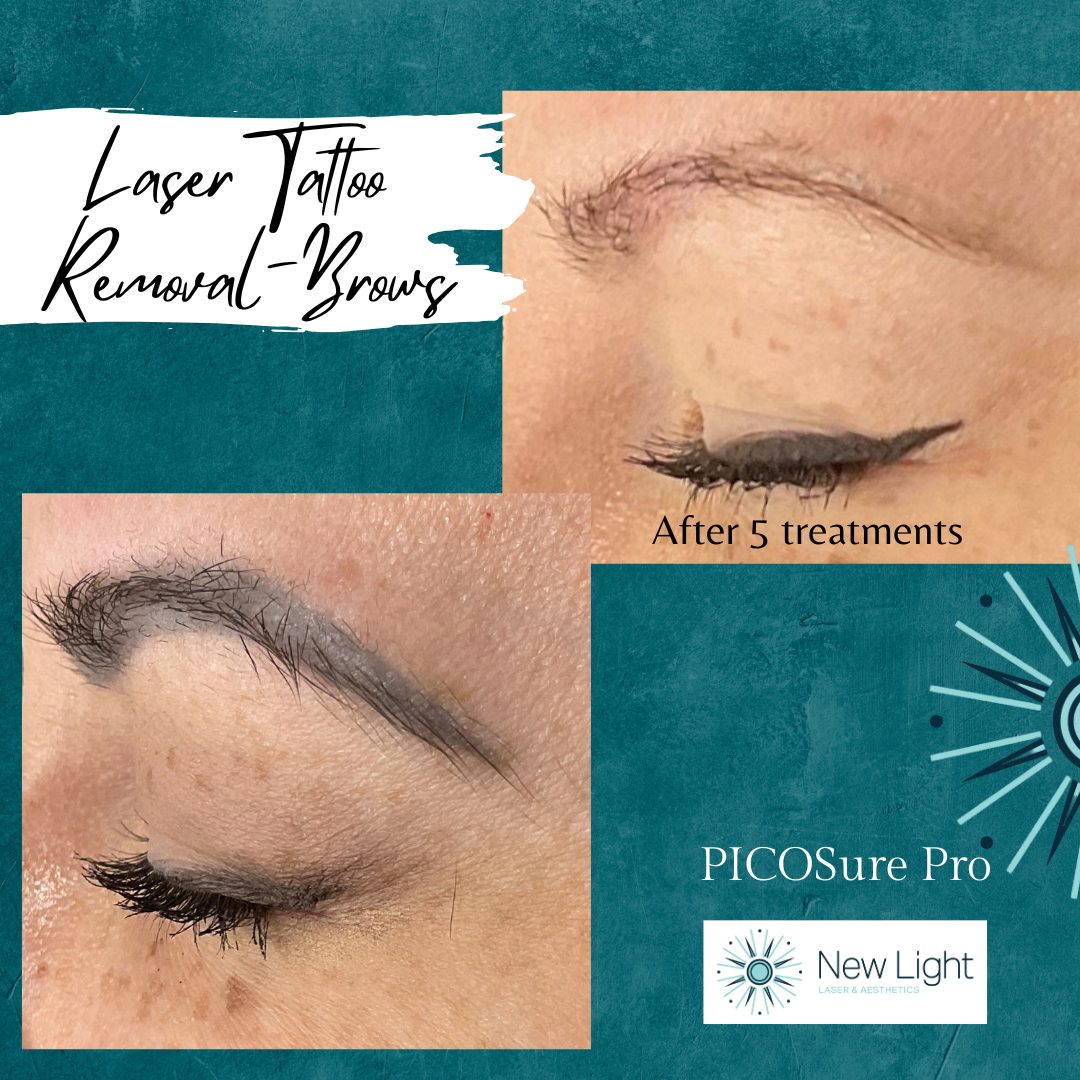
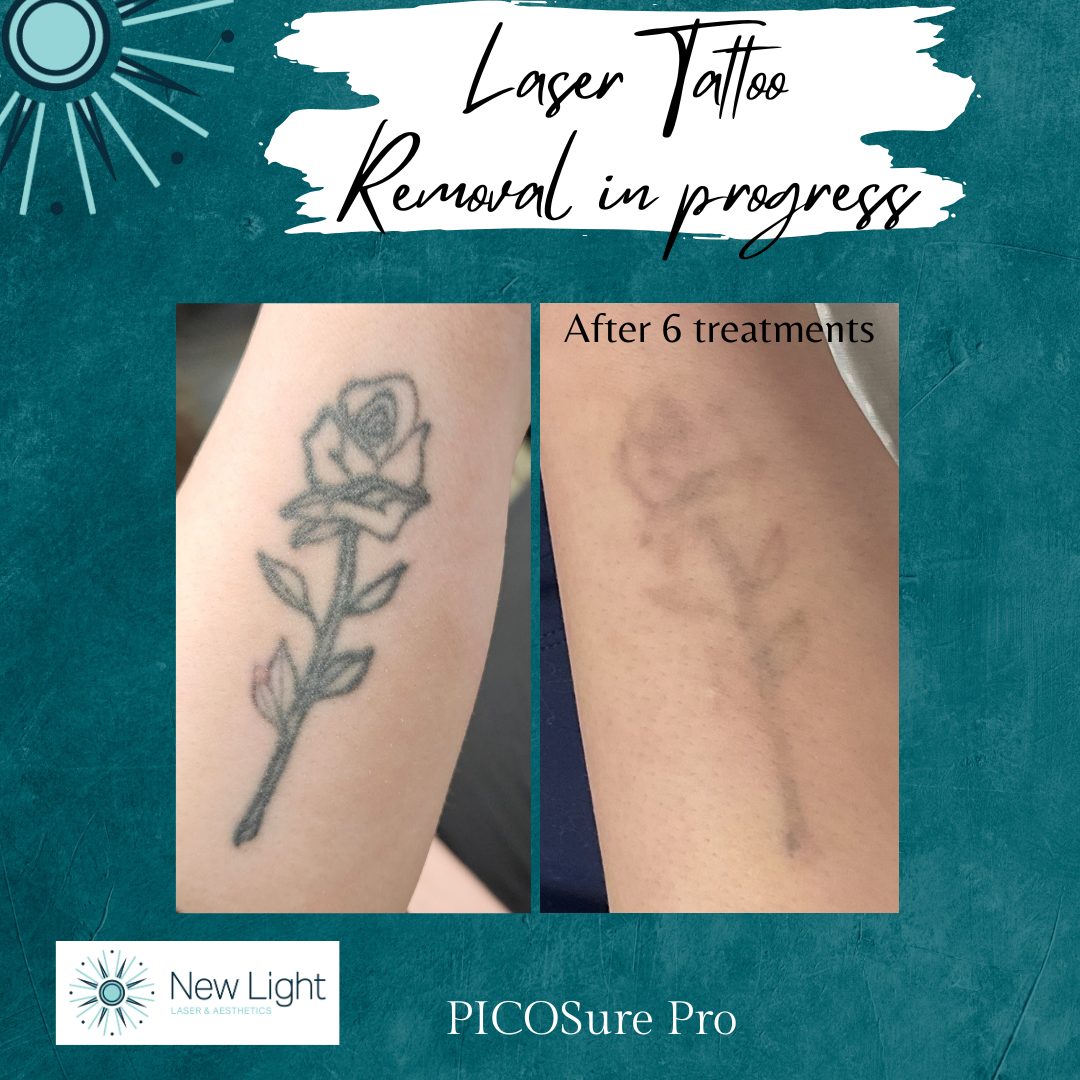
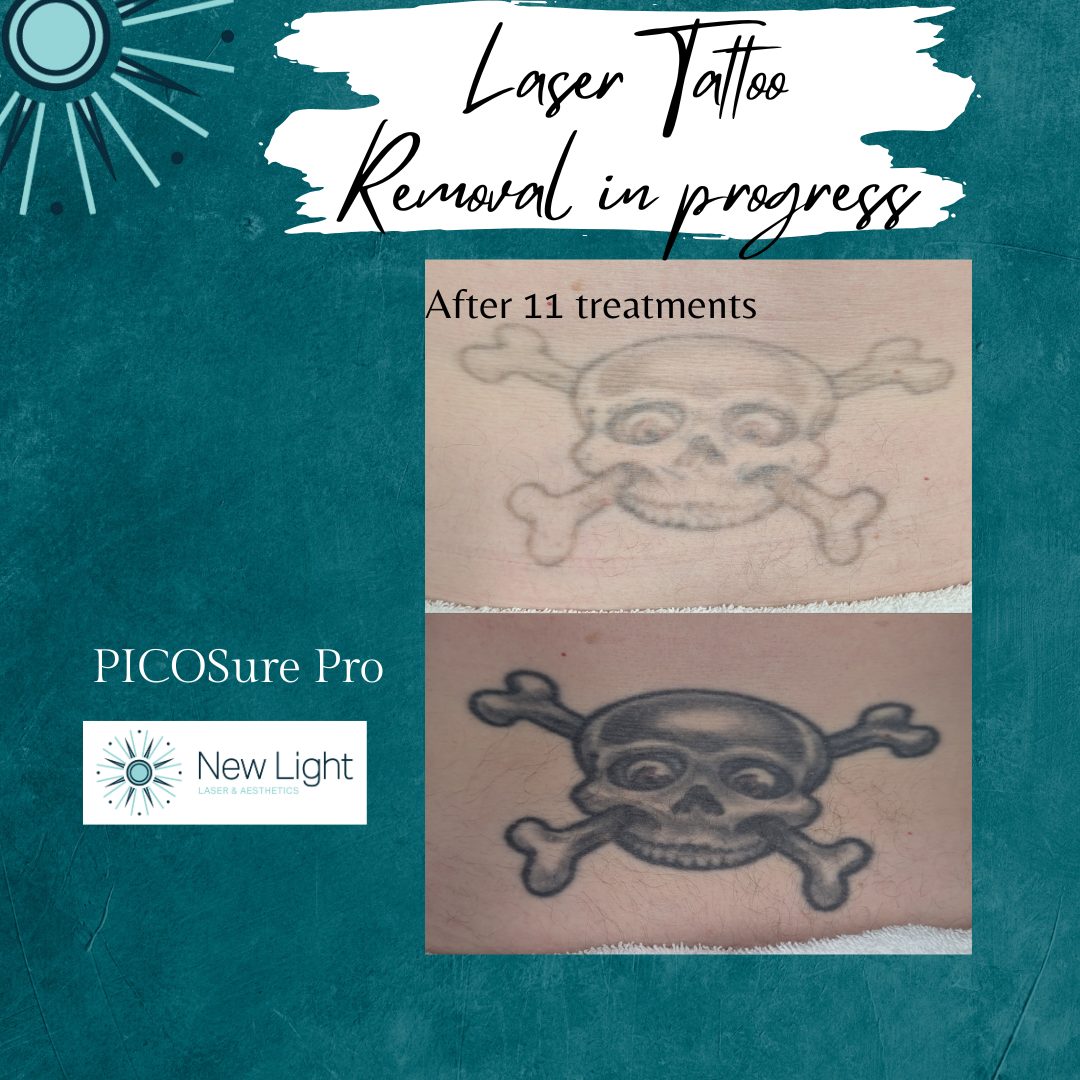
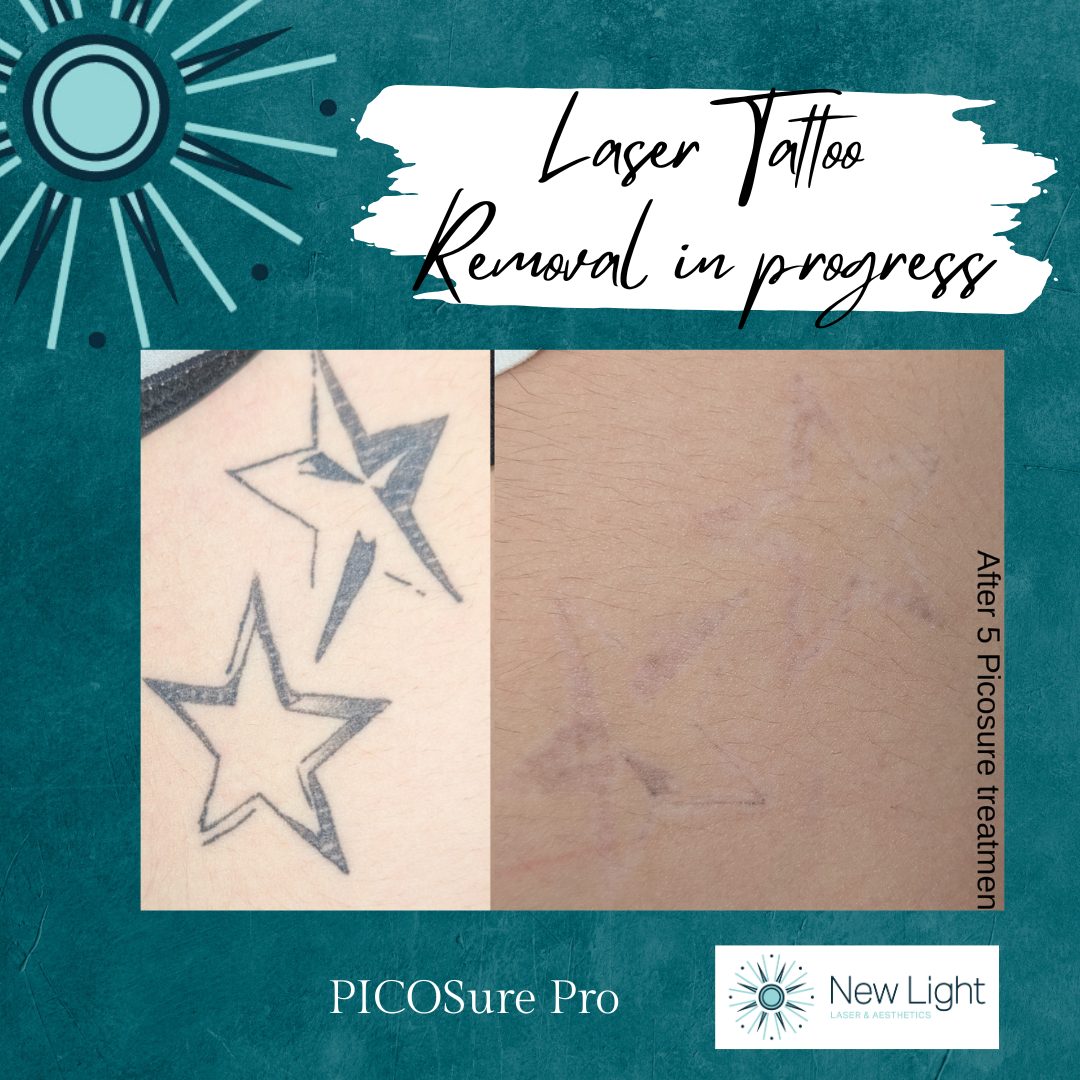
Before & After




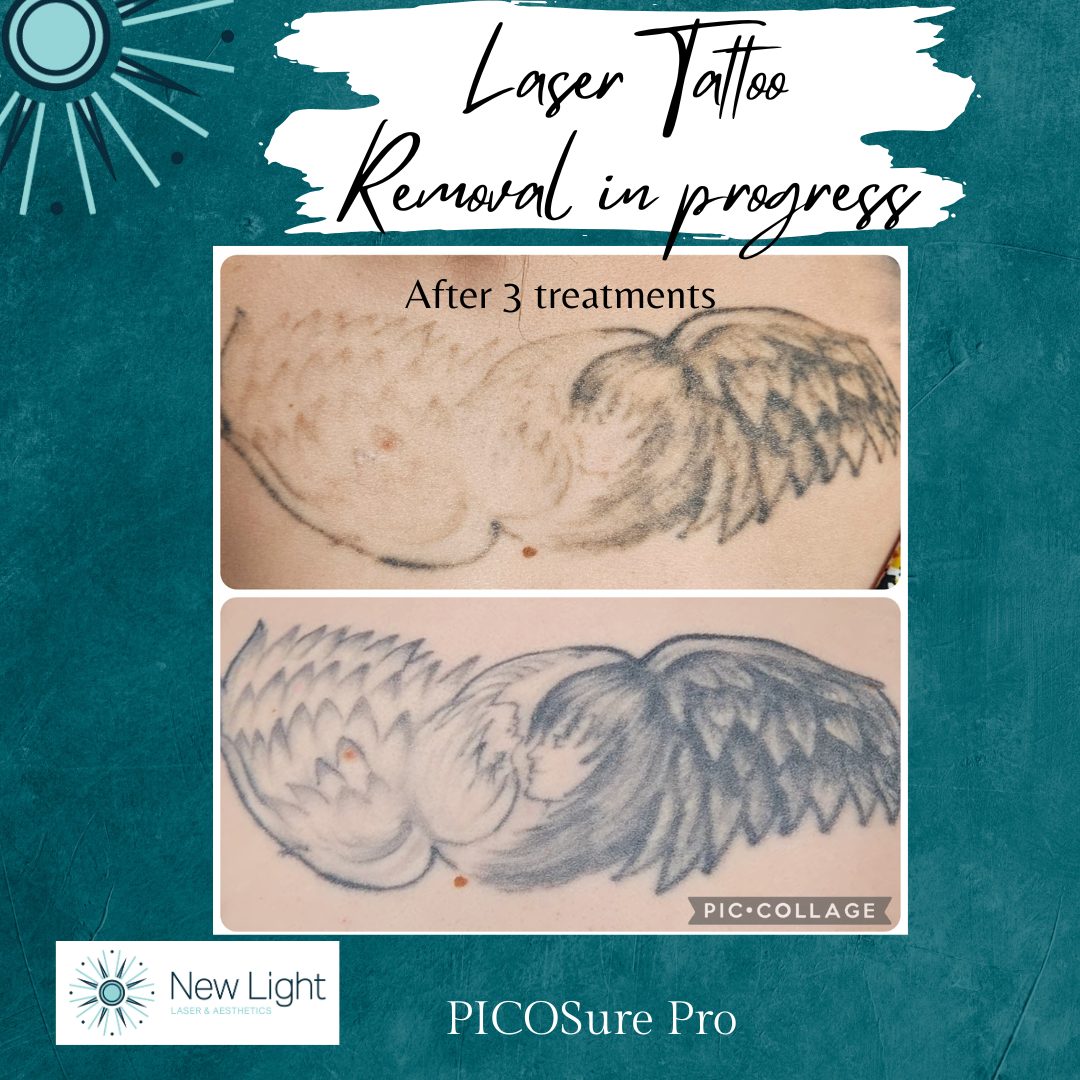
The UnDo My Tattoo Program
Our UnDo My Tattoo Program gives you a clear, structured approach to laser tattoo removal. We document your starting point, monitor how your tattoo responds and adjust your treatment plan as the ink changes.
Tattoo removal is a journey rather than a one-time treatment. We'll help you understand the process, care for the area properly and know what to expect at each stage.
Book a Consultation
Frequently Asked Questions
What is PicoSure Pro laser tattoo removal?
PicoSure Pro is a picosecond laser that delivers extremely short pulses of energy to unwanted tattoo ink. This breaks the pigment into smaller particles that the body can gradually clear.
Different tattoo colours absorb laser energy differently, so the approach may be adjusted as the tattoo fades.
Can PicoSure Pro every tattoo?
PicoSure Pro can significantly fade or remove many tattoos, but no laser can guarantee complete removal of every colour or pigment.
Some tattoos fade very well, while others leave residual ink, a faint shadow or visible changes from scar tissue that was already present beneath the tattoo.
What tattoo colours can be treated?
Black and darker inks often respond well to laser tattoo removal. PicoSure Pro is also known for treating difficult blue and green pigments, and its additional wavelength allows us to address certain warmer colours.
Results vary because tattoo inks aren’t standardized. Two inks that look like the same colour may contain very different ingredients and respond differently to treatment.
Are any tattoo colours harder to remove?
White, flesh-toned, yellow and some pastel or fluorescent pigments can be more difficult or unpredictable. Certain pigments may darken when treated rather than lighten.
We may recommend a test spot before treating an unfamiliar colour, cosmetic tattoo or pigment that has a greater risk of changing unexpectedly.
Can cosmetic tattoos be removed?
Some cosmetic tattoos may be treated, but additional caution is required. Eyebrow, lip-blush, permanent makeup and camouflage pigments may contain ingredients that darken or change colour when exposed to laser energy.
A consultation and test spot may be required before proceeding. Depending on the pigment and its location, laser removal may not always be recommended.
Can you fade my tattoo for a cover-up?
Yes. You don’t necessarily need to remove the entire tattoo. A few laser tattoo-removal sessions may lighten dark or dense areas enough to give your tattoo artist more flexibility with a cover-up design.
It can be helpful to ask your tattoo artist how much fading they would like before beginning.
Can you remove only part of a tattoo?
In many cases, we can target a particular section, name, colour or design element while leaving the rest of the tattoo intact.
We’ll assess how close the areas are to one another and explain how precisely the selected section can be treated.
How many tattoo-removal treatments will I need?
Most tattoos require a series of treatments, but the total number varies considerably. Tattoo colour, depth, ink density, location, layering and your body’s response all play a role.
We’ll monitor your progress at each appointment. We don’t want to promise a specific number of sessions before seeing how your tattoo responds.
How long do I need to wait between treatments?
Laser tattoo-removal appointments must be spaced far enough apart for the skin to heal and the body to process the fragmented ink.
The appropriate interval depends on your tattoo, treatment area and healing response. Treating the tattoo more frequently doesn’t necessarily make it clear faster and may increase the risk of skin damage.
Does laser tattoo removal hurt?
Most clients describe the sensation as quick snaps against the skin. It can be uncomfortable, but treatments are generally brief, especially for smaller tattoos.
Comfort varies depending on the tattoo’s size, location and density. We’ll explain what to expect and discuss available comfort measures before beginning.
What happens immediately after treatment?
The tattoo may temporarily appear white or frosted. Redness, swelling, warmth and tenderness are also common.
Some clients experience pinpoint bleeding, bruising, blistering or crusting. These responses don’t necessarily mean anything has gone wrong, but careful aftercare is important.
How much downtime should I expect?
Downtime depends on the size, location and intensity of treatment. Many people return to regular activities quickly, but the area may remain tender or swollen for several days.
You’ll need to protect the treated skin from friction, picking, swimming, soaking and sun exposure while it heals.
When will I notice the tattoo fading?
Some fading may become noticeable within the weeks following treatment. Your body continues processing the treated ink between appointments, so changes are gradual rather than immediate.
Dense tattoos may appear to change slowly at first. As upper layers of ink clear, deeper ink can become easier to see and target.
Will laser tattoo removal leave a scar?
PicoSure Pro is designed to target tattoo pigment while limiting damage to surrounding skin, but no laser treatment is completely risk-free. Scarring, infection, texture changes and lighter or darker pigmentation are possible.
The original tattooing process may also have created scar tissue that becomes more visible as the ink fades. Following aftercare instructions and allowing the area to heal fully between treatments can help reduce risk.
Why does my tattoo feel raised?
A raised tattoo may contain existing scar tissue from the original tattoo application, particularly if the area was overworked or heavily saturated with ink.
Laser treatment can remove pigment, but it may not remove the underlying scar. We’ll assess the texture during your consultation and explain what changes may remain after the ink fades.
Can laser tattoo removal cause lighter or darker skin?
Temporary or lasting pigment changes are possible. The treated area may become lighter or darker than the surrounding skin, particularly in recently tanned or more pigment-rich skin.
We’ll assess your skin tone, sun exposure and history of pigment changes before treatment and select the safest approach for you.
Can tattoo removal be performed on darker skin tones?
Tattoo removal may be possible for a range of skin tones, but it requires careful treatment planning. Skin with more natural pigment may have a greater risk of temporary or permanent colour changes.
A consultation—and sometimes a test spot—helps us determine whether treatment is appropriate and how conservatively we should begin.
Does an older tattoo come off more easily?
Older tattoos sometimes respond more quickly because the body has already broken down and cleared some of the pigment naturally. However, age is only one factor.
A newer tattoo with less ink may respond better than an older tattoo that is heavily layered, scarred or densely saturated.
Does the tattoo’s location affect removal?
Yes. Tattoos in areas with stronger circulation may clear more efficiently than tattoos located farther from the centre of the body, such as the hands, fingers, ankles and feet.
Location is only one part of the assessment. Ink density, colour, depth and your individual response are also important.
Can you treat a tattoo that was previously lasered elsewhere?
Usually, yes, provided the skin has healed fully and no other contraindications are present. We’ll assess the remaining ink, skin texture and any pigment or scar changes before recommending the next step.
Please tell us when your last treatment was performed and whether you experienced blistering, scarring or unusual healing.
How should I prepare for laser tattoo removal?
Before your appointment:
- Avoid tanning and self-tanner on the treatment area
- Protect the tattoo from sun exposure
- Do not treat irritated, infected or broken skin
- Tell us about medications and changes to your health
- Let us know about previous laser treatments or healing problems
- Arrive with the area clean and free from creams or lotions
We’ll provide instructions specific to your tattoo and health history.
What aftercare is required?
After treatment:
- Keep the area clean and protected
- Avoid picking, scratching or removing crusts
- Don’t intentionally pop any blisters
- Avoid swimming, hot tubs and soaking until the skin has healed
- Minimize friction from tight clothing
- Protect the area from sun exposure
- Follow the aftercare instructions provided by your practitioner
Contact the clinic if you experience a reaction or healing response that concerns you.
Who may not be a candidate?
Laser tattoo removal may not be appropriate during pregnancy or when the treatment area has an active infection, open wound, significant irritation or recent tan.
Certain medications, medical conditions, healing concerns and pigment disorders may also affect your eligibility. We’ll review your health history before recommending treatment, and medical clearance may occasionally be required.
